Why Every Domain Investor Needs a WHOIS Information Tool (And How to Use It Like a Pro) Published: 18 May, 2026
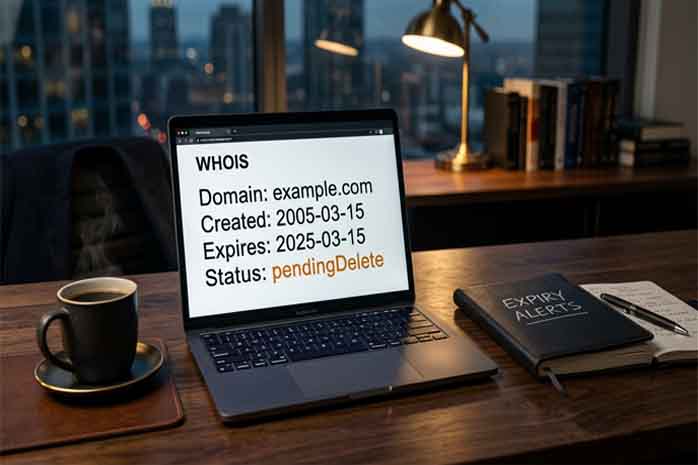
Domain investing – buying domains for resale – has created millionaires. But most beginners lose money because they buy domains without proper research. They see a name they like, check if it’s available, and register it without ever looking at the WHOIS information.
That’s like buying a used car without checking the mileage or accident history. A WHOIS lookup is your Carfax for domains.
What is WHOIS Information?
WHOIS is a protocol and database that stores registration details for every domain name. When someone registers a domain, they provide:
-
Registrant name and organization
-
Email address
-
Phone number
-
Physical address
-
Registration date
-
Expiration date
-
Last updated date
-
Name servers (DNS)
-
Registrar (e.g., Namecheap, GoDaddy)
-
Registry status codes (clientHold, pendingDelete, etc.)
Not all of this is public anymore due to privacy laws (GDPR, CCPA). Many registrars offer WHOIS privacy protection, replacing personal details with proxy information. But even with privacy, you still see:
-
Registration/expiry dates
-
Registrar
-
Status codes
Those three pieces of information are gold for domain investors.
Why Domain Investors Live by WHOIS
1. Finding Expiring Domains (The Goldmine)
Expired domains are domains that weren’t renewed by their owners. They become available for registration again. But you don’t want to check every domain manually – that’s impossible. Instead:
-
Use WHOIS to check domains you’re interested in
-
Note the expiration date
-
Check again 30, 15, 7, 3, and 1 day before expiry
-
When status changes to “pendingDelete” (usually 5 days after expiry), you can backorder it
Pro tip: Many domains drop at specific times. CheapName.top’s WHOIS tool shows the exact timestamp (when available).
2. Valuation Clues from Domain Age
Search engines favor older domains. A domain registered in 2005 has more “authority” than one registered yesterday – even without content. When evaluating a domain for purchase, check:
-
Creation date – Older is generally better (with exceptions)
-
Expiration date – If it’s been renewed for 10+ years, the owner values it
-
Last updated date – Recent updates suggest active management
A 15-year-old domain with consistent renewal history can be worth $1,000+ even with no traffic.
3. Avoiding Scams & Legal Traps
Domain fraud is common. Before buying from a marketplace (Sedo, Afternic, Flippa):
-
Use WHOIS to confirm the seller actually owns the domain
-
Check if WHOIS privacy is enabled – legitimate sellers often disable privacy when listing (or prove ownership via other means)
-
Look for status codes like
clientTransferProhibited– this usually means the domain is locked and safe (not about to expire) -
Avoid domains with
redemptionPeriodorpendingDelete– they’re already lost
4. Expiry Tracking for Backordering
When a domain expires, it goes through stages:
| Status | What It Means | What You Do |
|---|---|---|
active |
Domain is live |
